Crafting Seamless User Experiences: UX Design for Augmented Reality
In a world where technology continually pushes the boundaries of innovation, Augmented Reality (AR) has emerged as a game-changer. AR blends the digital and physical realms to provide users with immersive and interactive experiences.
Insights
Apr 30, 2025
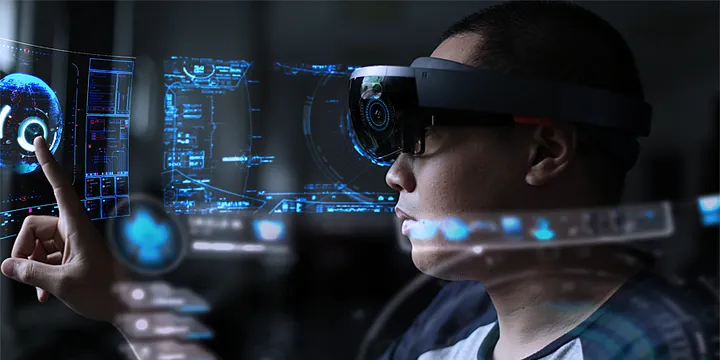
From smartphone apps to AR glasses, this technology is transforming the way we interact with digital information and the physical world. However, for AR to truly succeed and become a seamless part of our daily lives, it must prioritize user experience (UX) design. In this article, we will delve into the world of UX design for augmented reality, exploring the key principles and challenges that designers face when creating AR experiences.

Understanding Augmented Reality
Augmented Reality overlays digital information, such as images, videos, or 3D models, onto the real world. This technology has found applications in various industries, including gaming, education, healthcare, and retail. It enables users to interact with digital content in a way that feels natural and intuitive, blurring the lines between the virtual and physical.

UX Design Principles for Augmented Reality
Contextual Awareness
One of the fundamental principles of AR UX design is contextual awareness. AR experiences should adapt to the user’s environment and provide information that is relevant to their current context. For example, AR navigation apps should offer real-time directions based on the user’s location and surroundings. Achieving contextual awareness requires accurate tracking of the user’s position, orientation, and environmental conditions.
Intuitive Interaction
AR should feel intuitive and easy to use. Designers should leverage familiar gestures, such as tapping, swiping, or pinching, to interact with AR objects. Furthermore, the physical actions required to interact with AR should mimic real-world interactions whenever possible. For instance, grabbing and moving virtual objects should feel as natural as manipulating physical objects.
Minimalism and Clarity
In AR design, less is often more. Cluttered and overly complex AR interfaces can overwhelm users and disrupt their experience. Designers should aim for minimalism and clarity, providing users with the information they need without unnecessary distractions. This involves careful consideration of the size, placement, and transparency of digital elements within the AR environment.
User-Centered Design
User-centered design is a core principle of AR UX design. Designers must prioritize the needs and preferences of the end-users throughout the design process. This involves conducting user research, gathering feedback, and iterating on designs to create experiences that align with user expectations and goals.
Feedback and Guidance
AR experiences should offer clear and timely feedback to users. This includes visual and auditory cues that inform users about the status of interactions or guide them through tasks. Effective feedback ensures that users can understand and navigate the AR environment effortlessly.

Challenges in AR UX Design
While AR has enormous potential, it also presents unique challenges for UX designers:
Hardware Limitations
AR experiences heavily rely on the capabilities of the hardware used, whether it’s a smartphone or AR glasses. Designers must account for hardware limitations, such as processing power, battery life, and field of view, to create optimal user experiences.
Spatial Awareness
Designing for three-dimensional space requires a different mindset compared to traditional two-dimensional interfaces. Spatial awareness challenges designers to consider depth, scale, and the interaction between virtual and physical objects. Maintaining a coherent and intuitive spatial experience is crucial.
Contextual Variability
Users can engage with AR in various contexts, from a busy city street to a quiet living room. Designers must anticipate and accommodate these diverse scenarios, ensuring that AR experiences remain usable and engaging across different environments.
Privacy and Ethical Concerns
AR collects data about users’ physical surroundings and activities. This raises privacy and ethical concerns that designers must address. Striking a balance between collecting necessary data for contextual awareness and respecting user privacy is a complex but essential aspect of AR UX design.
Conclusion
Augmented Reality holds incredible promise for enhancing our daily lives and revolutionizing industries. However, the success of AR hinges on the effectiveness of its UX design. By embracing principles such as contextual awareness, intuitive interaction, minimalism, and user-centered design, designers can create AR experiences that seamlessly integrate into our world.
As AR technology continues to evolve and become more accessible, UX designers must remain at the forefront of innovation, ensuring that AR experiences are both user-friendly and socially responsible. In doing so, they can help bridge the gap between the digital and physical worlds, making augmented reality an indispensable part of our future.
Let me know what you think!
I am curious to know about your ideas and suggestions are more than welcome.

More to Discover


Crafting Seamless User Experiences: UX Design for Augmented Reality
In a world where technology continually pushes the boundaries of innovation, Augmented Reality (AR) has emerged as a game-changer. AR blends the digital and physical realms to provide users with immersive and interactive experiences.
Insights
Apr 30, 2025
From smartphone apps to AR glasses, this technology is transforming the way we interact with digital information and the physical world. However, for AR to truly succeed and become a seamless part of our daily lives, it must prioritize user experience (UX) design. In this article, we will delve into the world of UX design for augmented reality, exploring the key principles and challenges that designers face when creating AR experiences.
Understanding Augmented Reality
Augmented Reality overlays digital information, such as images, videos, or 3D models, onto the real world. This technology has found applications in various industries, including gaming, education, healthcare, and retail. It enables users to interact with digital content in a way that feels natural and intuitive, blurring the lines between the virtual and physical.
UX Design Principles for Augmented Reality
Contextual Awareness
One of the fundamental principles of AR UX design is contextual awareness. AR experiences should adapt to the user’s environment and provide information that is relevant to their current context. For example, AR navigation apps should offer real-time directions based on the user’s location and surroundings. Achieving contextual awareness requires accurate tracking of the user’s position, orientation, and environmental conditions.
Intuitive Interaction
AR should feel intuitive and easy to use. Designers should leverage familiar gestures, such as tapping, swiping, or pinching, to interact with AR objects. Furthermore, the physical actions required to interact with AR should mimic real-world interactions whenever possible. For instance, grabbing and moving virtual objects should feel as natural as manipulating physical objects.
Minimalism and Clarity
In AR design, less is often more. Cluttered and overly complex AR interfaces can overwhelm users and disrupt their experience. Designers should aim for minimalism and clarity, providing users with the information they need without unnecessary distractions. This involves careful consideration of the size, placement, and transparency of digital elements within the AR environment.
User-Centered Design
User-centered design is a core principle of AR UX design. Designers must prioritize the needs and preferences of the end-users throughout the design process. This involves conducting user research, gathering feedback, and iterating on designs to create experiences that align with user expectations and goals.
Feedback and Guidance
AR experiences should offer clear and timely feedback to users. This includes visual and auditory cues that inform users about the status of interactions or guide them through tasks. Effective feedback ensures that users can understand and navigate the AR environment effortlessly.
Challenges in AR UX Design
While AR has enormous potential, it also presents unique challenges for UX designers:
Hardware Limitations
AR experiences heavily rely on the capabilities of the hardware used, whether it’s a smartphone or AR glasses. Designers must account for hardware limitations, such as processing power, battery life, and field of view, to create optimal user experiences.
Spatial Awareness
Designing for three-dimensional space requires a different mindset compared to traditional two-dimensional interfaces. Spatial awareness challenges designers to consider depth, scale, and the interaction between virtual and physical objects. Maintaining a coherent and intuitive spatial experience is crucial.
Contextual Variability
Users can engage with AR in various contexts, from a busy city street to a quiet living room. Designers must anticipate and accommodate these diverse scenarios, ensuring that AR experiences remain usable and engaging across different environments.
Privacy and Ethical Concerns
AR collects data about users’ physical surroundings and activities. This raises privacy and ethical concerns that designers must address. Striking a balance between collecting necessary data for contextual awareness and respecting user privacy is a complex but essential aspect of AR UX design.
Conclusion
Augmented Reality holds incredible promise for enhancing our daily lives and revolutionizing industries. However, the success of AR hinges on the effectiveness of its UX design. By embracing principles such as contextual awareness, intuitive interaction, minimalism, and user-centered design, designers can create AR experiences that seamlessly integrate into our world.
As AR technology continues to evolve and become more accessible, UX designers must remain at the forefront of innovation, ensuring that AR experiences are both user-friendly and socially responsible. In doing so, they can help bridge the gap between the digital and physical worlds, making augmented reality an indispensable part of our future.
Let me know what you think!
I am curious to know about your ideas and suggestions are more than welcome.
More to Discover
Crafting Seamless User Experiences: UX Design for Augmented Reality
In a world where technology continually pushes the boundaries of innovation, Augmented Reality (AR) has emerged as a game-changer. AR blends the digital and physical realms to provide users with immersive and interactive experiences.
Insights
Apr 30, 2025
From smartphone apps to AR glasses, this technology is transforming the way we interact with digital information and the physical world. However, for AR to truly succeed and become a seamless part of our daily lives, it must prioritize user experience (UX) design. In this article, we will delve into the world of UX design for augmented reality, exploring the key principles and challenges that designers face when creating AR experiences.
Understanding Augmented Reality
Augmented Reality overlays digital information, such as images, videos, or 3D models, onto the real world. This technology has found applications in various industries, including gaming, education, healthcare, and retail. It enables users to interact with digital content in a way that feels natural and intuitive, blurring the lines between the virtual and physical.
UX Design Principles for Augmented Reality
Contextual Awareness
One of the fundamental principles of AR UX design is contextual awareness. AR experiences should adapt to the user’s environment and provide information that is relevant to their current context. For example, AR navigation apps should offer real-time directions based on the user’s location and surroundings. Achieving contextual awareness requires accurate tracking of the user’s position, orientation, and environmental conditions.
Intuitive Interaction
AR should feel intuitive and easy to use. Designers should leverage familiar gestures, such as tapping, swiping, or pinching, to interact with AR objects. Furthermore, the physical actions required to interact with AR should mimic real-world interactions whenever possible. For instance, grabbing and moving virtual objects should feel as natural as manipulating physical objects.
Minimalism and Clarity
In AR design, less is often more. Cluttered and overly complex AR interfaces can overwhelm users and disrupt their experience. Designers should aim for minimalism and clarity, providing users with the information they need without unnecessary distractions. This involves careful consideration of the size, placement, and transparency of digital elements within the AR environment.
User-Centered Design
User-centered design is a core principle of AR UX design. Designers must prioritize the needs and preferences of the end-users throughout the design process. This involves conducting user research, gathering feedback, and iterating on designs to create experiences that align with user expectations and goals.
Feedback and Guidance
AR experiences should offer clear and timely feedback to users. This includes visual and auditory cues that inform users about the status of interactions or guide them through tasks. Effective feedback ensures that users can understand and navigate the AR environment effortlessly.
Challenges in AR UX Design
While AR has enormous potential, it also presents unique challenges for UX designers:
Hardware Limitations
AR experiences heavily rely on the capabilities of the hardware used, whether it’s a smartphone or AR glasses. Designers must account for hardware limitations, such as processing power, battery life, and field of view, to create optimal user experiences.
Spatial Awareness
Designing for three-dimensional space requires a different mindset compared to traditional two-dimensional interfaces. Spatial awareness challenges designers to consider depth, scale, and the interaction between virtual and physical objects. Maintaining a coherent and intuitive spatial experience is crucial.
Contextual Variability
Users can engage with AR in various contexts, from a busy city street to a quiet living room. Designers must anticipate and accommodate these diverse scenarios, ensuring that AR experiences remain usable and engaging across different environments.
Privacy and Ethical Concerns
AR collects data about users’ physical surroundings and activities. This raises privacy and ethical concerns that designers must address. Striking a balance between collecting necessary data for contextual awareness and respecting user privacy is a complex but essential aspect of AR UX design.
Conclusion
Augmented Reality holds incredible promise for enhancing our daily lives and revolutionizing industries. However, the success of AR hinges on the effectiveness of its UX design. By embracing principles such as contextual awareness, intuitive interaction, minimalism, and user-centered design, designers can create AR experiences that seamlessly integrate into our world.
As AR technology continues to evolve and become more accessible, UX designers must remain at the forefront of innovation, ensuring that AR experiences are both user-friendly and socially responsible. In doing so, they can help bridge the gap between the digital and physical worlds, making augmented reality an indispensable part of our future.
Let me know what you think!
I am curious to know about your ideas and suggestions are more than welcome.